Tuesday, November 29, 2011

Opioids: Might depress cerebral perfusion pressure


Sedation for critically ill adults with severe traumatic brain injury: A systematic review of randomized controlled trials; Roberts DJ, Hall RI, Kramer AH, Robertson HL, Gallagher CN, Zygun DA; Critical Care Medicine 39 (12),


OBJECTIVES: To summarize randomized controlled trials on the effects of sedative agents on neurologic outcome, mortality, intracranial pressure, cerebral perfusion pressure, and adverse drug events in critically ill adults with severe traumatic brain injury. DATA SOURCES: PubMed, MEDLINE, EMBASE, the Cochrane Database, Google Scholar, two clinical trials registries, personal files, and reference lists of included articles. STUDY SELECTION: Randomized controlled trials of propofol, ketamine, etomidate, and agents from the opioid, benzodiazepine, α-2 agonist, and antipsychotic drug classes for management of adult intensive care unit patients with severe traumatic brain injury. DATA EXTRACTION: In duplicate and independently, two investigators extracted data and evaluated methodologic quality and results. DATA SYNTHESIS: Among 1,892 citations, 13 randomized controlled trials enrolling 380 patients met inclusion criteria. Long-term sedation (≥24 hrs) was addressed in six studies, whereas a bolus dose, short infusion, or doubling of plasma drug concentration was investigated in remaining trials. Most trials did not describe baseline traumatic brain injury prognostic factors or important cointerventions. Eight trials possibly or definitely concealed allocation and six were blinded. Insufficient data exist regarding the effects of sedative agents on neurologic outcome or mortality. Although their effects are likely transient, bolus doses of opioids may increase intracranial pressure and decrease cerebral perfusion pressure. In one study, a long-term infusion of propofol vs. morphine was associated with a reduced requirement for intracranial pressure-lowering cointerventions and a lower intracranial pressure on the third day. Trials of propofol vs. midazolam and ketamine vs. sufentanil found no difference between agents in intracranial pressure and cerebral perfusion pressure. CONCLUSIONS: This systematic review found no convincing evidence that one sedative agent is more efficacious than another for improvement of patient-centered outcomes, intracranial pressure, or cerebral perfusion pressure in critically ill adults with severe traumatic brain injury. High bolus doses of opioids, however, have potentially deleterious effects on intracranial pressure and cerebral perfusion pressure. Adequately powered, high-quality, randomized controlled trials are urgently warranted.


Blogger note:  take home message is in bold above.  Until the definitive study is done, pay attention if, to nothing else, that one sentence.


Bevacizumab, metastasis, and brain hemorrhage, True, true and unrelated?

Intracranial hemorrhage in patients treated with bevacizumab: Report of two cases; Nishimura T, Furihata M, Kubo H, Tani M, Agawa S, Setoyama R, Toyoda T; World Journal of Gastroenterology 17 (39), 4440-4 (Oct 2011)

Treatment with bevacizumab, an antiangiogenic agent, in patients with metastatic or unresectable colorectal cancer was approved less than 4 years ago in Japan. Bevacizumab improves the survival of patients with metastatic colorectal cancer; however, it may lead to complications such as bleeding, which are sometimes fatal. Bevacizumab should be administered only after careful consideration because the potential risks of therapy outweigh its benefits. Therefore, pharmaceutical companies do not recommend bevacizumab therapy for patients with brain metastases. While some reports support the cautious use of bevacizumab, others report that it is not always necessary to prohibit its use in patients with metastases to the central nervous system (CNS), including the brain. Thus, bevacizumab therapy in colorectal cancer patients with brain metastases is controversial, and it is unclear whether brain metastases are a risk factor for intracranial hemorrhage during anti-vascular endothelial growth factor (VEGF) therapy. We report a 64-year-old man and a 65-year-old man with recurrent colorectal cancer without brain metastases; these patients developed multifocal and solitary intracranial hemorrhage, respectively, after the administration of bevacizumab. Our findings suggest that intracranial hemorrhage can occur even if the patient does not have brain metastases prior to bevacizumab treatment and also suggest that brain metastases are not a risk factor for intracranial hemorrhage with bevacizumab treatment. These findings also question the necessity of excluding patients with brain metastases from clinical trials on anti-VEGF therapy.

Blogger note:  Paper intrigues but any number of conclusions could be drawn out of it.  Larger experience is required.

Stroke centers and survival

Does primary stroke center certification change ED diagnosis, utilization, and disposition of patients with acute stroke?; Ballard DW, Reed ME, Huang J, Kramer BJ, Hsu J, Chettipally U; American Journal of Emergency Medicine (Nov 2011)

BACKGROUND AND PURPOSE: We examined the impact of primary stroke center (PSC) certification on emergency department (ED) use and outcomes within an integrated delivery system in which EDs underwent staggered certification. METHODS: A retrospective cohort study of 30 461 patients seen in 17 integrated delivery system EDs with a primary diagnosis of transient ischemic attack (TIA), intracranial hemorrhage, or ischemic stroke between 2005 and 2008 was conducted. We compared ED stroke patient visits across hospitals for (1) temporal trends and (2) pre- and post-PSC certification-using logistic and linear regression models to adjust for comorbidities, patient characteristics, and calendar time, to examine major outcomes (ED throughput time, hospital admission, radiographic imaging utilization and throughput, and mortality) across certification stages. RESULTS: There were 15 687 precertification ED visits and 11 040 postcertification visits. Primary stroke center certification was associated with significant changes in care processes associated with PSC certification process, including (1) ED throughput for patients with intracranial hemorrhage (55 minutes faster), (2) increased utilization of cranial magnetic resonance imaging for patients with ischemic stroke (odds ratio, 1.88; 95% confidence interval, 1.36-2.60), and (3) decrease in time to radiographic imaging for most modalities, including cranial computed tomography done within 6 hours of ED arrival (TIA: 12 minutes faster, ischemic stroke: 11 minutes faster), magnetic resonance imaging for patients with ischemic stroke (197 minutes faster), and carotid Doppler sonography for TIA patients (138 minutes faster). There were no significant changes in survival. CONCLUSIONS: Stroke center certification was associated with significant changes in ED admission and radiographic utilization patterns, without measurable improvements in survival.


Blogger note:  Small select group of stroke patients, those given alteplase, may be less than 5 percent of the total and are the only ones who would be expected to do better in primary stroke centers.  However, the target group is likely to be buried in the statistics of 15,000 patients reviewed.  This type of stroke center evaluation might be better suited for evaluating specific populations receiving specific treatments.

Tuesday, October 25, 2011

Which antihypertensive? Beta blockers risky

Webb et al.  Lancet 2010 375:905-915

Idea  BP variability is worse than absolute measurement of a high BP.  Certain drugs such as Beta blockers are associated with high variability and therefore higher risk, whereas Calcium channel blockers have less variability in BP and are therefore better for stroke prevention.  ACE inhibitors trend bad, ARBs slightly better.

lifestyle choices and stroke prevention risk

Chiuve et al. Circulation 2008; 118:947-954

43,685 men Health professionals followup study
71,243 women Nurses health study

Five factors:

1.  Not smoking
2.  healthy diet
3.  30 minutes per day vigorous activity
4.  Weight BMI< 25
5.  one alcoholic drink per day for women, 1-2 for men

80 percent reduction in risk, dose dependent on how many followed.

Partly related to secondary effects of above on blood pressure.  Amount of BP reduction per lifestyle aspect adopted
10 kg weight reduction= 5-20 mm HG
DASH eating plan 8-14 mm
dietary sodium restriction  5-8
physical activity 4-9 mm
moderate alcohol consumtpion 2-4 mm

Chobanian JAMA 2003; 289:2560

Every 10 mm   reduction in BP leads to a 31 % stroke risk

Lawes et al. Stroke 2004; 35:776

Sunday, June 12, 2011

Carrascal and Guerrero- Stroke and CABG part II

from the Neurologist

Perioperative risk factors:
1.  CPB use and factors that are uncontrollable including low flow
2.  Type of procedure-- 3 fold risk in patients undergoing open chamber procedure.Combined procedures eg. CABG + valve causes baseline increase from 5 to 16 % or so
3.  Duration-- number of emboli increase by 90.5 % for every hour
4.  Postoperative complications including low CO (due to MI eg.) or postoperative AFIB which is common in first 4 days.

III Preventive Procedures--
 Operatively
A.  Minimize aortic manipulation -- one cross clamp not multiple, or even zero with pediculate anastomoses
B.  Heart Port Clamp-- instead of external clamp, use a saline filled balloon and clamp internally avoiding manipulation
C.  Identify aortic disease with epiaortic ultrasound; if needed use femoral or axillary catheterization and / or profound hypothermia.
D.  Use side hole not end hole cannulas-- less displacement of particle
E.  Use intraaortic filtration-- not shown to be beneficial YET
F.Dispersion aortic cannulas when friable valves are diagnosed
G.  Carotid surgery according to above criteria
H.  Prophylactic resection of atrial appendage in patients with preexisting AF who also need MVR

Reduce microemboli in CPB Circuit
A. heparin bound CPB circuit
B. Membrane rather than bubble oxygenator
C. CO2 sufflation into thoracic wound to decrease air bubbles
D.  Filter in arterial line; leukocyte filter to decrease inflammatory response
E.  Decrease CPB time
F.  Decrease cardiotomy suction to prevent lipid microemboli and improve cognitive; us ultrasound to help
G.  Early slow rewarming 0.2 degrees C per minute
H.  Alphastat protocol for pH and CO2
I.    Reduce perfusionists' interventions which are directly tied to cognitive decline
J.  Avoid collecting/reinfusing mediastinal blood
K.  Emblocker ultrasound transducer on aorta redirects debris to descending aorta, tried in animals so far

Prevention of ischemic injury
A.  Keep MAP> 50
B.  Avoid maneuvers that increase CVP (CPP = MAP-CVP)
C.  Avoid cardiac luxation during off pump procedures which can lower CO
D.  Pulsatile flow not shown to be superior to continuous flow
E.  Substitute Aprinin for amicar or transxemic acid
F.  Avoid profound hemodilution especially in octagenerarians

Metabolic
A.  Avoid hyperglycemia
B.  Keep HCT over 30

Neuroprotection
Summary
Many have been studied none have shown effective

Bypass and stroke Pt !

also see blog post regarding Lou Caplan's opinion regarding the issue http://strokenotes.blogspot.com/search?q=cabg

Carrascal Y, Guerrerro AL.  Neurological damage related to cardiac surgery; pathophysiology, diagnostic tools, and prevention strategies. Using actual knowledge for planning the future.  The Neurologist 2010; 16:152-164.

Summary-- the population undergoing cardiac surgery is older and sicker.  Prevention efforts should include improvements in surgical techniques and cerebral protection, pharmacotherapy, and adequate neuropsychologic assessments. 

Bullet points: Intro
1. 1-6 % of patients have neurologic complications, but number is up to 15 % in high risk group and up to 50 % if you count cognitive dysfunction.  Neurologic complications increase one year mortality tenfold in first year, and doubles ICU care time.  31 % of patients with neurologic damage return home, 75 % with "minor" cognitive damage, 85 % without neurologic damage. 

I.  Mechanism of damage in cardiopulmonary bypass:  emboli (micro or macro), inflammatory response, metabolic response to hypoxemia or vasogenic or cytotoxic edema, and cerebral hypoperfusion

A.  Emboli
1) Macro, > 200 um, related to manipulation of aorta, calcium, valvular debris.  Causes focal deficits. 
2) Micro, <200 um, due to a) air, related to opening chambers of heart, generation in CPB machine, and during patient rewarming   b)  lipids, especially due to cardiotomy suction especially with lipid reinfusion into CPB circuit   c)  cellular aggregate esp platelets     d)  Exogenous material from heart lung machine such as silicon.  Microemboli go to border zone, to basal ganglia and white matter tracts.  TCD detection of microemboli over 60 correlates with a 70 % risk of cognitive damage.  TCD does not detect type of particle.
Intraoperative TEE detects air bubbles in chambers and diseased arteries that can be avoided for cross clamping.  Aortic intimal thickening over 3 mm, especially with rounded, protruberant or ulcerated plaque is associated with a 4.5 x risk of neurologic sequelae.  Post op stroke is 25 % with a mobile plaque, 8 % with a fixed plaque, and 1.8 % if there is no plaque. 

B.  Inflammatory response activation-- duet to CPB, leads to a coagulation cascade and damage to blood brain barrier. 

C.  Disorders in Neuronal Metabolism secondary to hypoxemia or vasogenic or cytotoxic edema-- related to hypothermia during procedure, which has good and bad points, although mild hypothermia seems to benefit.  Severe may lead to brain edema.

D.  Hypoperfusion--

II Detection
A..Biochemical markers of neuropsychological damage-- adenylate kinase (good), CK-BB (bad marker, totally nonspecific), neuronal specific enolase (good marker, raised levels over 35 ng/ml after 48 hours correlates with bad prognosis, S100 B is a white matter marker, good marker more than 24 hours out (early rise occurs during CPB and is not prognostic) Level of > .5 ug/mL at 48 hours have a 78 % mortality compared to 18 % with a level under .5.  S100B < 1.1 24 hours after surgery has a 97 % specificity to exclude stroke. 
B. Imaging- DWi and NIRS (near infrared spectroscopy) show clinically silent events in a MAJORITY of patients or at least 50 %.  Fluroescein retinal angiography can detect clinically silent retinal events.  and disappear 7 days postop
C.  Neuropscyh-- Studies not clear.  Risk factors (incremental) include DM, CRF, ascending aortic atherosclerosis, CVD, PVD, or previous severe neurologic disease. 

III Major risk factors for complications
A. Age
B.  Carotid disease (controversial)-- this author suggests there is a 10 % reduction of stroke risk if the artery is symptomatic and stenosis is > 50 %.  For asymptomatic , procedure only if patient has life expectancy > 5 years, is 40-70, mortality of procedure < 3 %. 
C.  Prior stroke confers 13-15 % risk no matter when the prior stroke
D.  PVD increases risk of perioperative stroke by 4.5 %, and affects 33 % of octagenarians.
E. Severe LV dysfunction and poor EF
F. Indirect risk factors : DM, RF, HTN, COPD
G. Baseline intellectual function
H.  Genetic factors (apoE) unsettled
I Gender-- women do worse

see next post

Saturday, June 11, 2011

Reconsidering MI as a contraindication for IV thrombolysis for stroke

De Silva DA et al.  Neurology 2011; 76:1838-1840. 

General points

1.  Some guidelines suggest 90 days not to use t-pa, but risk exists only in those with transmural MI (for cardiac rupture) and in those cases the wall is healed within 7 weeks, or at least healing, with fibrosis and scarring maximized by then,  to  mitigate risk in younger stroke patients without transmural rupture. 

2.  There are only 3 reports of 5 elderly women with tamponade after stroke thrombolysis. 

3.  In cardiac literature, wall rupture occurs in first 48 hours in those with transmural MI. 

Atraumatic convexal subarachnoid hemorrhage

Clinical presentations, imaging patterns and etiologies.  Kumar S. et al.  Neurology 2010; 74: 893-399

Authors include LR Caplan

Convexal SAH is about 8 percent of all SAH.  Authors found 29 patients at Beth Israel, about two thirds were women.  There was a dichotomy in presentation by age.  The under 60's had a strong tendency to present with a severe headache, whereas that was rare in the over 60's, who presented with TIA-like presentations, migraine creeping numbness mimic (even repetitively) or lethargy.  Angiography/MRA/CTA was almost always negative.  The under 60's were most likely to have reversible cerebral vasoconstriction syndrome (formerly Call syndrome), whereas the over 60's were more likely to have amyloid angiopathy. The latter group tends to have recurrent disease, but this study does not have good followup.  Headaches often were prolonged, associated with retching or vomiting, and described as "thunderclap" in younger patients.  Surface eeg's were always negative for seizures among those presenting with repetitive sensory phenomena.  They were more likely to have superficial siderosis on imaging.

The differential of the presentation includes, in addition to the two above causes, cortical vein occlusion, PRES, coagulopathy, cocaine, lupus vasculitis, cavernoma, brain aneurysm, ephedra, HELLP syndrome, post LP headache, and arterial dissection.

Saturday, June 04, 2011

Activated prothrombin complex for dabigratan bleed? one opinion

We recently had a 67-year-old man with atrial fibrillation who was
admitted from the EP lab after developing pericardial hemorrhage during
the procedure.  He had been taking dabigatran and had received his last
dose seven hours prior to the procedure.  He was undergoing an ablation
when a transseptal perforation occurred and hypotension ensued.  He had
received  5000 units of heparin prior to the start of the procedure.
Pericardiocentesis was undertaken and 4500 cc of blood was withdrawn.  He
was given two units of FFP  & Protamine 100 mg  with persistent bleeding.
He was then given  FEIBA (activated prothrombin complex) 3159 units (26
units per kilogram over 15 minutes).   One minute after initiating FEIBA
infusion slowing of the bleeding was observed.  Bleeding stopped from
pericardiocentesis within minutes of administration of FEIBA.  His PTT the
prior to the procedure was 53.  ACT prior to administration of heparin was
233. The PTT decreased to 35 after protamine infusion but prior to the
FEIBA administration, and decreased further to 29 following FEIBA. ACT
decreased to 131 following FEIBA.

Our single experience would suggest that FEIBA was effective in reversing
the anticoagulant effect of dabigatran.  I wonder if any others have had
an opportunity to use this treatment and what their experience has been?
Has anyone used other ways of reversing dabigatran and with what success?


Saturday, April 30, 2011

normal thrombin time and dabagitan

(reprinted not practice in our facility)
A normal thrombin time essentially rules out any anticoagulant effect due to Dabigatran. Thrombin time is a widely available and inexpensive test. For patients known or suspected to be on Dabigatran, our stroke team policy is to consider treatment with IV-t-PA only when thrombin time is normal.


Monday, April 25, 2011

CADASIL typical temporal lobe imaging involving temporal pole

Monday, April 11, 2011

SAMMPRIS trial stopped

CLINICAL ALERT

The National Institute of Neurological Disorders and Stroke (NINDS) has stopped enrollment in a clinical trial that is evaluating whether intracranial angioplasty combined with stenting adds benefit to aggressive medical therapy alone for preventing stroke in patients with symptomatic intracranial arterial stenosis. The Stenting and Aggressive Medical Management for Preventing Recurrent stroke in Intracranial Stenosis (SAMMPRIS) study is the first prospective randomized multicenter trial to compare aggressive medical management alone versus aggressive medical management plus angioplasty combined with stenting in patients with symptomatic high grade (70-99%) stenosis of a major intracranial artery (intracranial carotid, middle cerebral artery, intracranial vertebral artery, and basilar artery).

Full NINDS Alert (PDF)

Sunday, April 10, 2011

billing code for administering alteplase by MS

You can use the CPT code 37195 if you are personally at the bedside while
> the tPA is given by a physician. 

Monday, April 04, 2011

Lambl's excrescences and fibrous strands

The serpentine mitral valve and cerebral embolism

James Ker

Cardiovascular Ultrasound 2011, 9:7 


Vilem Dusan Lambl, a Bohemian physician (1824-1895) were the first to describe the occurrence of small, filiform processes he observed on the aortic valve in 1856[5] . Today, these Lambl's excrescences are also referred to as valvular strands and have been observed on all native and prosthetic valves[5] . These strands may occur as single strands, in rows or even in clusters[5] . They can vary in length from 1 mm to 10 mm and are usually less than 1 mm in thickness[5] .

Valvular strands are composed of a fibroelastic, avascular core, covered by a layer of endothelial cells[5,6] .

The exact pathogenesis of formation of these structures are still unclear, however current opinion is that the initiating factor is that of an endocardial lesion in areas of trauma and/or high shear stress[5,6] . These denuded areas are then covered by fibrin with subsequent covering by an endothelial layer[5,6] . The prevalence of valvular strands has been estimated as 5.5% in a general population referred for transesophageal echocardiography and 40% in patients with stroke of unknown cause[1,2] .

The differential diagnosis for valvular strands includes the following[5] : a myxoma, thrombi, valvular vegetations, nonbacterial thrombotic (marantic) endocarditis, cardiac metastases, a fibroelastoma and other primary cardiac neoplasms.

Of all of the above, the most difficult distinction is that between a valvular strand and a fibroelastoma[5,7] . Histologically, these two entities are very similar with both containing a central core of elastic connective tissue, covered by endothelium. However, valvular strands are covered by a single layer of endothelial cells, but fibroelastomas contain regions of multiple layers of endothelial cells[5,7] .

Echocardiographically, fibroelastomas are more bulky, with stalks or pedestals sometimes present and multiple, fingerlike projections on their surface[5] . As fibroelastomas are usually found on the mechanically less strained parts of valves and endocardium they tend to be larger than valvular strands[5] . Valvular strands (Lambl's excrescences) are always found on the affected valve's line of closure and this limits their growth[5] .

Several published case reports have shown that valvular strands are associated with emboli to the coronary, pulmonary, spinal, retinal and cerebral circulation[1] .

Specifically regarding stroke, numerous reports have demonstrated an association with valvular strands, particularly in young patients[3,4,8,9] . The mechanism for embolic events is either that of thrombi forming on the strands which then embolize or it is possible that the valvular strand itself can embolize[2] . Direct visualization of thrombus on a valvular strand have indeed been described before[10] .

In conclusion, a case of a valvular strand, attached to the coapting edge of the mitral valve is presented, giving a serpentine appearance to the mitral valve. This valvular strand was the cause for a cerebral embolism which presented with a transient right sided hemiparesis. This is the only current case in the literature, where the combination of aspirin and clopidogrel is used for the prevention of further episodes of cerebral embolism. In the only randomized treatment study to date, no difference in relation to efficacy of warfarin compared to aspirin was found in patients with valvular strands and previous embolic episodes[2] . For this reason a combination of antiplatelet therapy was initiated as a therapeutic trial.

It is proposed that a randomized controlled study involving the combination of aspirin and clopidogrel is warranted in patients with valvular strands presenting with a first episode of cerebral embolism.

  1. Wolf RC, Spiess J, Vasic N, Huber R: Valvular strands and ischemic stroke.

    Eur Neurol 2007, 57:227-231.

    Homma S, Di Tullio MR, Sciacca RR, Sacco RL, Mohr JP: Effect of aspirin and warfarin therapy in stroke patients with valvular strands.

  2. Stroke 2004, 35:1436-1442.

    Freedberg RS, Goodkin GM, Perez JL, Tunick PA, Kronzon I: Valve strands are strongly associated with systemic embolization: A transesophageal echocardiographic study.

  3. J Am Coll Cardiol 1995, 26:1709-1712.

    Roberts JK, Omarali I, Di Tullio MR, Sciacca RR, Sacco RL, Homma S: Valvular strands and cerebral ischemia. Effect of demographics and strand characteristics.

  4. Stroke 1997, 28:2185-2188.

    Jaffe W, Figueredo VM: An example of Lambl's excrescences by transesophageal echocardiogram: A commonly misinterpreted lesion.

  5. Echocardiography 2007, 24:1086-1089.

    Roldan CA, Shively BK, Crawford MH: Valve excrescences: Prevalence, evolution and risk for cardioembolism.

  6. J Am Coll Cardiol 1997, 30:1308-1314.

    Gowda RM, Khan IA, Nair CK: Cardiac papillary fibroelastoma: A comprehensive analysis of 725 cases.

  7. Am Heart J 2003, 146:404-410.

    Lee RJ, Bartzokis T, Yeoh TK, Grogin HR, Choi D, Schnittger I: Enhanced detection of intracardiac sources of cerebral emboli by transesophageal echocardiography.

  8. Stroke 1991, 22:734-739.

    Tice FD, Slivka AP, Walz ET, Orsinelli DA, Pearson AC: Mitral valve strands in patients with focal cerebral ischemia.

  9. Stroke 1996, 27:1183-1186.

    Nighoghossian N, Derex L, Loire R, Perinetti M, Honnorat J, Riche G, Barthelet M, Ninet J, Chazot G, Chassignolle J, Trouillas P: Giant Lambl excrescences.

  10. Arch Neurol 1997, 54:41-44.

Sunday, February 13, 2011

Random notes on abstracts from ISC meeting radiology

 
1.  Hyperdense MCA sign can disappear, but rarely does if LONGER THAN ONE CM
 
2.  High rCBV predicts good outcome irrespective of treatment suggesting collateral presence
 
3.  Multiple (>4) left hemisphere DWI lesions is predictive of aortic arch stroke
 
4.  The"brush sign" on 3 Tesla MRI may predict hemorrhagic conversion after stroke
 

ASPECTS score

 
is asociated with prognosis
neurodoc

LAPSS and other stroke related scales

Los Angeles prehospital stroke screen : LAPSS
 
LAMS Los Angeles Motor Scale
 
other scales


neurodoc

Thursday, February 10, 2011

Notes on Grotta talk- "Extending reach of patient eligibility"

presented at Genentech submeeting by Dr Grotta.    A few of his ideas
1.  We need to relax many of the criteria for i-v tpa so that 10-20 percent of patients get drug.  What IS needed to give drug is:  NIHHSS, time of onset, plain CT head, (no CTA till after infusion started), history of bleeding, seziures, surgery, stroke, meds, glucose, platelets and HCT.   NO Foley, CXR (unless suspicion of dissection), ECHO or INR unless on warfarin or heparin
2.  At his center, he has experience treating patients with wake-up strokes with success middling between placebo and standard 0-3 hour patients.
3.  Grotta believes that just as trauma is tiered into level one and two, so should stroke, and patients with level one stroke should be sent to comprehensive, not primary stroke centers where they can get better care.  The scale utilized could be one that differentiates likelihood of major vessel occlusion, the Los Angeles...... scale.
4. His research includes tpa followed y arbogatran

Notes of MRI talks at ISC 2011 by Michael Lev and by Greg Albers


These two talks demonstrate patients for whom intervention is NOT likely to help.
* BASIS (reference here: http://www.ajnr.org/cgi/reprint/29/6/1111 )
Lev
1.  Contrary to hypothesis, mismatch IS NOT discriminatory regarding clinical outcome after recanalization.  Most all M1 occlusions with small admission DWI have mismatch, but not all respond to therapy.  The independent outcome predictors, are, NIHSS <= 10 and BASIS* negative have good outcomes, NIHSS > 10 and BASIS + have poor outcomes  and those with one or other are intermediate.
2.  What you need to know, basically, is the amount of core infarct less than 70 cc.  If so, recanalization can be of benefit. You can measure this best, through DWI although CT can be used (see notes below).
3. The other thing you need to know is that a corresponding perfusion deficit exists.  These 2 criteria by MRI are specific but not sensitive for core.
4.  Idea of time is brain uses clock that starts with imaging of a DWI lesion less than 70 cc, not onset of symptoms. 
5.  Yoo Aj et al. Stroke 2010.  DWI and MTT volumes predicts outcome > mismatch.  DWI > 72 ml and NIHSS > 20 are associated with a poor outcome.  MTT < 47 mL and NIHSS < 8 have good outcome.  Combining gives prognosis over 70 %, much better than NIHSS alone (43 %) or imaging alone (54 %).
6.  Protocol is to do noncontrast head CT, then a CTA, then a DWI and only do CT perfusion if patient is not able to get a MRI.  Also notes current focus on radiation.
7.  Uses above characteristics to assess wake up strokes.
8.  Good collaterals is highly specific for small DWI
9.  THRESHOLDED CBF IS LESS VARIABLE THAN CBV AND IS MORE SENSITIVE FOR SALVAGEABLE BRAIN (CBV MORE SPECIFIC).  CT CBF NOT CBV IS "NEXT BEST THING" IF DWI IS NOT AVAILABLE TO DETERMINE SIZE OF CORE.  However there are issues with CT including luxury perfusion, standardization, post-processing and others.
ALBERS TALK
Discusses DEFUSE trial and adds that he criticizes Lev's talk because there is ANOTHER group of patients who do badly with recanalization and that is those with very large perfusion deficit even with a tiny DWI deficit who have a "malignant pattern" of infarct who will do much worse if treated.  A discussion ensued and Wade Smith mentioned a case with a "so-called malignant pattern" who was observed deteriorating, was promptly treated, and got better, therefore felt clinical part was important.  Again mismatch was overrated and not key.
Albers also spoke of converging evidence that > 5.5 or 6 seconds for contrast to reach brain was a threshold of very sick brain.  He also mentioned a case where one branch was not recanalized, but the branch that was recanalized reperfused dead tissue. 
Wade Smith talk
Many points not mentioned. Of interest he thinks IMS 3 is going to really open up intervention therapies.

Grotta talk "Extending reach of tpa eligibility"

presented at Genentech submeeting by Dr Grotta.    A few of his ideas

1.  We need to relax many of the criteria for i-v tpa so that 10-20 percent of patients get drug.  What IS needed to give drug is:  NIHHSS, time of onset, plain CT head, (no CTA till after infusion started), history of bleeding, seziures, surgery, stroke, meds, glucose, platelets and HCT.   NO Foley, CXR (unless suspicion of dissection), ECHO or INR unless on warfarin or heparin

2.  At his center, he has experience treating patients with wake-up strokes with success middling between placebo and standard 0-3 hour patients.

3.  Grotta believes that just as trauma is tiered into level one and two, so should stroke, and patients with level one stroke should be sent to comprehensive, not primary stroke centers where they can get better care.  The scale utilized could be one that differentiates likelihood of major vessel occlusion, the Los Angeles...... scale.

4. His research includes tpa followed by arbogatran, and TCD and hypothermia.

 
neurodoc

Monday, February 07, 2011

another opinion, references on cilostazol

A brief pubmed search about the topic showed a few studies and reviews on the subject. It appears that Cilostazol is non-inferior to aspirin per one study, and is effective in lowering cerebrovascular events with low rates of bleeding. I did not come across any studies that mention adverse events from using this drug. However, since it is not considered standard of care, it probably should only be used on an experimental basis with documentation as such- if it is used at all. Hope this helps.
Lancet Neurol. 2010 Oct;9(10):959-68. Epub 2010 Sep 15.
Cochrane Database Syst Rev. 2011 Jan 19;1:CD008076
J Stroke Cerebrovasc Dis. 2009 Nov-Dec;18(6):482-90.
 

Sunday, February 06, 2011

cilostazol and stroke in Asians

Cochrane Database Syst Rev. 2011 Jan 19;1:CD008076.

Cilostazol versus aspirin for secondary prevention of vascular events after stroke of arterial origin.

Kamal AK, Naqvi I, Husain MR, Khealani BA.

Stroke Service, Section of Neurology, Department of Medicine, Aga Khan University Hospital, Stadium Road, PO Box 3500, Karachi, Pakistan, 74800.

Abstract

BACKGROUND: Aspirin is widely used for secondary prevention after stroke. Cilostazol has shown promise as an alternative to aspirin in Asian people with stroke.

OBJECTIVES: To determine the relative effectiveness and safety of cilostazol compared directly with aspirin in the prevention of stroke and other serious vascular events in patients at high vascular risk for subsequent stroke, those with previous transient ischaemic attack (TIA) or ischaemic stroke of arterial origin.

SEARCH STRATEGY: We searched the Cochrane Stroke Group Trials Register (last searched September 2010), the Cochrane Central Register of Controlled Trials (CENTRAL) (The Cochrane Library 2009, Issue 4), MEDLINE (1950 to May 2010) and EMBASE (1980 to May 2010). In an effort to identify further published, ongoing and unpublished studies we searched journals, conference proceedings and ongoing trial registers, scanned reference lists from relevant studies and contacted trialists and Otsuka Pharmaceutical Co Ltd.

SELECTION CRITERIA: We selected all randomised controlled trials (RCTs) comparing cilostazol with aspirin where participants were treated for at least one month and followed systematically for development of vascular events.

DATA COLLECTION AND ANALYSIS: Data extracted from eligible studies included: (1) a composite outcome of vascular events (stroke, myocardial infarction or vascular death) during follow up (primary outcome); (2) separate outcomes of stroke (ischaemic or haemorrhagic, fatal or non-fatal), myocardial infarction (MI) (fatal or non-fatal), vascular death and death from all causes; and (3) main outcomes of safety including any intracranial, extracranial or gastrointestinal (GI) haemorrhage and other outcomes during treatment follow up (secondary outcomes). We computed an estimate of treatment effect and performed a test for heterogeneity between trials. We analysed data on an intention-to-treat basis and assessed bias for all included studies.

MAIN RESULTS: We included two RCTs with 3477 Asian participants. Compared with aspirin, cilostazol was associated with a significantly lower risk of composite outcome of vascular events (6.77% versus 9.39%, risk ratio (RR) 0.72, 95% confidence interval (CI) 0.57 to 0.91), and lower risk of haemorrhagic stroke (0.53% versus 2.01%, RR 0.26, 95% CI 0.13 to 0.55). In terms of outcome of safety compared with aspirin, cilostazol was significantly associated with minor adverse effects (8.22% versus 4.95%, RR 1.66, 95% CI 1.51 to 1.83).

AUTHORS' CONCLUSIONS: Cilostazol is more effective than aspirin in the prevention of vascular events secondary to stroke. Cilostazol has more minor adverse effects, although there is evidence of fewer bleeds.

PMID: 21249700 [PubMed - in process]

Thursday, December 30, 2010

Pearls on Intracranial atherosclerosis

Turan TN, Chimowitz MI.  . 10 questions about intracranial atherosclerosis.The Neurologist. 16:6 400-405 1020.

1.  MRA and TCD have high negative predictive values but low positive predictive values for detecting intracranial stenosis.  (86-91. v. 36-59 % respectively).  They are therefore adequate screening tests but need CTA for diagnosis or catheter angiography.  CTA studies have limited statistical power therefore catheter studies are the "gold standard" to determine the degree of stenosis, but also confer risk.  A single preliminary study showed CTA had a sensitivity and specificity to detect intracranial stenosis greater than 50 % of of 97.1 and 99.5 % respectively.  In ACAS the risk of stroke with catheter angiography was 1.2 %. The SONIA study was the study that helped evaluate the above.

2.  The risk of stroke with intracranial stenosis is the highest of any stroke subtype, with respect to symptomatic stenosis  of greater than 50 %.  The risk of ischemic stroke in any territory within two years was 20 % in aspirin arm and 17 % in the warfarin arm (WASID).  Over 70 % of strokes occurred in the same territory.  Thus the risk in the symptomatic artery was 15/13 % in aspirin and warfarin arms respectively.  This is higher than the risk with atrial fibrillation or cardioembolic stroke.

3.   The risk of stroke was proportional to the severity of stenosis (risk of stroke within the symptomatic artery occurred in 6/18 % of patients, respectively, with < 70 and >70 % stenosis. 

4.  Other risk factors for stroke in the territory included recent symptoms, female gender, and baseline NIHSS >1.  Vertebrobasilar arterial disease was NOT a risk factor. 

5.  Asymptomatic stenosis was very low risk, with a one year risk of stroke of 0 % in one study and 3.5 % in WASID by MRA. 

6.  "Antithrombotic failures" ie patients already on antiplatelet drugs at time of their stroke, were not at higher risk for recurrent stroke than patients who were not on antiplatelet drugs at the time of their qualifying event. 

7.  Most important risk factors for recurrent stroke were dyslipidemia and hypertension  (SBP> 140). 

8.  SSYLVIA (stenting of symptomatic atherosclerotic lesions in the vertebral or intracranial arteries) was a ph I study of a bare metal stent that showed technical success and a 10.9 % stroke rate in one year with all strokes within the same artery. 

9.  SSAMPRIS study is ongoing (Stenting and Aggressive Medical Management of for Prevention of Recurrent Stroke in Intracranial Stenosis) NIH sponsored study.  In 764  patients it compares angioplasty and stenting plus aggressive medical management v. medical management alone in patients with 70-99 % stenosis.  Patients must have a TIA or nondisabling  stroke within 30 days in an appropriate artery to be eligible.  The protocol includes ASPIRIN for duration, plavix for first 90 days, aggressive bp and lipid management.

10.  See http://www.ssampris.org/ or http://www.sammpris.org/.

Saturday, December 18, 2010

HINTS to diagnose stroke in acute vestibular syndrome: 3 step oculomotor exam

 
Stroke. 2009 Nov;40(11):3504-10. Epub  2009 Sep 17.
HINTS to diagnose stroke in the acute vestibular syndrome: three-step bedside oculomotor examination more sensitive than early MRI diffusion-weighted imaging.
Kattah JC, Talkad AV, Wang DZ, Hsieh YH, Newman-Toker DE.
Department of Neurology, The University of Illinois College of Medicine at Peoria and the Illinois Neurological Institute at OSF Saint Francis Medical Center, Peoria, Ill, USA.

Abstract
BACKGROUND AND PURPOSE: Acute vestibular syndrome (AVS) is often due to vestibular neuritis but can result from vertebrobasilar strokes. Misdiagnosis of posterior fossa infarcts in emergency care settings is frequent. Bedside oculomotor findings may reliably identify stroke in AVS, but prospective studies have been lacking.
METHODS: The authors conducted a prospective, cross-sectional study at an academic hospital. Consecutive patients with AVS (vertigo, nystagmus, nausea/vomiting, head-motion intolerance, unsteady gait) with >or=1 stroke risk factor underwent structured examination, including horizontal head impulse test of vestibulo-ocular reflex function, observation of nystagmus in different gaze positions, and prism cross-cover test of ocular alignment. All underwent neuroimaging and admission (generally <72 hours after symptom onset). Strokes were diagnosed by MRI or CT. Peripheral lesions were diagnosed by normal MRI and clinical follow-up.
RESULTS: One hundred one high-risk patients with AVS included 25 peripheral and 76 central lesions (69 ischemic strokes, 4 hemorrhages, 3 other). The presence of normal horizontal head impulse test, direction-changing nystagmus in eccentric gaze, or skew deviation (vertical ocular misalignment) was 100% sensitive and 96% specific for stroke. Skew was present in 17% and associated with brainstem lesions (4% peripheral, 4% pure cerebellar, 30% brainstem involvement; chi(2), P=0.003). Skew correctly predicted lateral pontine stroke in 2 of 3 cases in which an abnormal horizontal head impulse test erroneously suggested peripheral localization. Initial MRI diffusion-weighted imaging was falsely negative in 12% (all <48 hours after symptom onset).
CONCLUSIONS: Skew predicts brainstem involvement in AVS and can identify stroke when an abnormal horizontal head impulse test falsely suggests a peripheral lesion. A 3-step bedside oculomotor examination (HINTS: Head-Impulse-Nystagmus-Test-of-Skew) appears more sensitive for stroke than early MRI in AVS.

neurodoc

Wednesday, December 15, 2010

Patient foramen ovale

Kent DM, Thaler DE.  Is Patent foramen ovale a modifiable risk factor for stroke recurrence?Stroke 2010: 41 (supplement 1) S 26-S30.

Authors make statistical arguments about PFO management.  Facts that form a basis:

1.  PFO occurs in 25 % of autopsies.
2.  PFO occurs in a higher rate in cryptogenic stroke, but in at least 33 % of strokes with PFO the PFO is incidental.
3.  PFO in Cryptogenic Stroke Study (PICSS) shows near identical stroke recurrence risk in patients with cryptogenic stroke whether or not they have a PFO.  Further, small PFO's had a higher recurrence rate than large ones.  This simply indicates, however, that PICSS included patients who were eventually given a TEE , even if they had a different defined mechanism for their stroke.  Other occult mechanisms such as occult afib or subthreshold aortic atherothrombotic disease may have a higher recurrence rate.
4.  Consistently, studies show that patients with cryptogenic stroke and PFO have less conventional stroke risk factors than patients without PFO.  Since recurrence risk of stroke is about equal in PFO + and - patients, PFO singlehandedly compensates for lack of other risk factors.  Therefore, PFO IS a risk factor for stroke.  Younger patients without DM or HTN are much more likely to have a PFO. 
5.  When a PFO is found in setting with an atrial septal aneurysm, the PFO is rarely incidental to the stroke.
6.  "PFO propensity" is likelihood based on age or other factors that a CS patient has a PFO.  A higher PFO propensity correlates with a lower chance of incidental PFO.  A younger patient without other risk factors may have a very high PFO propensity and therefore probability of nonincidental PFO. 
7.  The margin of benefit in PFO closure is narrow.  Even a low rate of procedure complications could nullify benefit.  "Testing the procedure (closure) in a population in which many incidental PFOs occur may falsely suggest the procedure is of no benefit."

Tuesday, August 03, 2010

Blackbox contraindication intravenous nimodipine

August 2, 2010 — As if a "black box" warning currently on the label were not enough to get anyone's attention, today the US Food and Drug Administration (FDA) again reminded clinicians that nimodipine (Nimotop; Bayer Pharmaceuticals) should be given only by mouth or through a feeding tube and never by intravenous (IV) administration, a method that could be fatal.

Nimodipine, available only as an oral capsule, is used in critical-care settings to treat neurologic complications from subarachnoid hemorrhage.

The FDA states that it continues to receive reports of IV administration of the drug, which sometimes has resulted in death or near-death events. Intravenous administration of nimodipine can cause cardiac arrest, dramatic drops in blood pressure, and other cardiovascular adverse events, according to the agency.

In 1996, Bayer added a bolded statement to the drug's label to warn against incorrect administration after 1 patient who received nimodipine the wrong way died. In 2006, the company added a boxed warning against giving nimodipine intravenously or by other parenteral routes.

Through its Adverse Event Reporting System (AERS) and other sources, including published literature, the FDA has identified 31 cases of nimodipine errors between 1989 and 2009, with 25 involving the prescription or administration of the drug intravenously. Four patients who received nimodipine intravenously died while another 5 came close. One patient suffered permanent harm, according to the agency.

Errors Sometimes Occur With Patients Who Cannot Swallow Capsule

Sometimes nimodipine is administered intravenously despite repeated warnings to the contrary when a patient is not able to swallow the capsule. Such patients are supposed to receive it through a nasogastric tube. The drug comes with instructions for making a hole in both ends of the capsule with a standard 18 gauge needle, removing the contents with a syringe, and emptying the syringe into the tube.

The agency noted that because a standard needle will not fit on an oral syringe, it must be attached to an intravenous syringe. "The use of intravenous syringes to deliver nimodipine increases the chance that the medication will be given intravenously instead of by mouth or nasogastric tube," the FDA stated.

Clinicians can minimize confusion in these circumstances by labeling the syringe with the words "Not for IV Use" and removing the needle, according to the agency. They then should empty the syringe contents into the nasogastric tube followed by 30 mL of normal saline.

More information about today's announcement is available on the FDA's Web site.

To report adverse events related to nimodipine capsules, contact MedWatch, the FDA's safety information and adverse event reporting program, by telephone at 1-800-FDA-1088, by fax at 1-800-FDA-0178, online at http://www.fda.gov/medwatch, or by mail to MedWatch, FDA, 5600 Fishers Lane, Rockville, Maryland 20852-9787.

Friday, July 16, 2010

Mendelsohn maneuver for stroke

The Mendelsohn maneuver is taught by having the patient place


their fingers lightly over the thyroid cartilage and then trying to

swallow. When the thyroid cartilage reaches the top part of its

elevation during the swallow the patient is supposed to try to keep it

in this position for a second or two. The crycopharyngeus upper

esophageal sphincter is stretched by this excursion and is mechanically

opened. There may also be some reflex inhibition of the sphincter, but

the benefit is probably mostly mechanical. Logeman's book on dysphagia

has a much better description.

Tuesday, May 04, 2010

Homocystinuria and stroke

Testai FD, Gorelick PB.  Hommocystinuria, organic acidurias and urea cycle disorder.  Arch Neurol 2010; 67: 148-153.

Features of homocystinuria
Genetics (classical) Aut rec, chromosome 21, deficient cystathione synthase, 90 + mutations, elevated Homocystine and metabolite, methionine(or elevated homocysteine and normal methionine with MTHFR mutations or errors of B12 metabolism. Levels are over 100
. Stroke is due to atherosclerosis, dissection, or SVD

Clinical  -- myopia, osteoporosis, mental retardation, decreased pigmentation of hair and skin, downwards ectopic lenses, dolichostenomelia, and if untreated, seizures, psychiatric disorders, thromboembolic events (PE, MI, stroke).  Clinically there is an equal distribution of the milder B6 (pyridoxal phosphate) responsive form and more severe unresponsive form. 

Thromboembolic events-- distribution-- 51 % peripheral vein (one fourth PE's), 32 % strokes, 11 % peripheral arterial, 4 % MI, 2 % other. 25 % stroke by age 15, half by age 30.  Treatment of pyrodoxal phosphate responders delays first event.

Mechanism-- of thromboembolism is multi.  Increased homocysteine causes premature atherosclerosis due to endovascular dysfunction due to deficient nitrous oxide and oxidative stress.  Also, hypercoagulability due to increased thrombosis and platelet activation may affect stability of arterial wall and cause dissections, arterial thrombosis, and arteriopathy mimicking FMD.

Diagnosis-- Based on clinical and lab features.  Brand reaction is screening test using urinary cyanide nitroprusside.  Blood usually has elevated homocysteine and methionine and decreased cysteine.  Urine excretion of homocysteine, homocystine (the oxidized form) and methionine occurs.  Cystathionine B synthase cultures in fibroblasts, amniotic fluid and chorionic villi can be assessed.

Treatment-- judicious use of B6 (300-600 mg/day) to prevent PN.  Folate, betaine and B12 cause conversion of homocysteine to methionine.  A methionine free diet with cysteine supplementation is suggested. Vitamin C and antiplatelet agents are commonly used.

Saturday, April 10, 2010

Aneurysm presentation-- random clinical pearls


Diagnosis
1.  Of patients with the worst headache of their life, ten percent have aneurysms
2.  Sensitivity of LP to detect aneurysms decreases by seven percent per day
3.  CT-A removes need for catheter angiography in those with more than 5 rbc's
4.  SAH- aneurysmal peaks in April and September and nadirs in June and July
5.  Population prevalence of aneurysm in 2 %
Treatment
6.  **FENESTRATION OF LAMINA TERMINALIS IS EASY, DECREASES HYDROCEPHALUS INCIDENCE FROM 13 TO 2 PERCENT AND ALLOWS LUMBAR DRAINS
7.   EEG is a "pseudoexam " under anesthesia
8.  St Julien NSURG 2008  cardiopulmonary bypass without a chest incision (endovascular)allows fine control of BP and avoids circulatory arrest, hypothermia improves outcomes ( outcome of St Julien)  Grade 0 , 1 (1.5 %), 2 (6.2%), 3 (12.1%), 4 (17.4 %).  CP bypass is good for giant aneurysms
9.  Fisher scale stratifies the risk of vasospasm .  Grade 1: no blood   Grade 2:  vertical layer < 1mm
      Grade 3:    vertical layer > 1 mm, local clot     Grade 4:  ICH/IVH but minimal or no SAH. GRADE  THREE IS MAXIMAL RISK> GRADE FOUR.  Risk of vasospasm is 23 %.   With modified Fisher scale, vasospasm is greatest with grade 4.  About 20-30 % of vasospasms stroke.
10.  Risk of rebleed is 4 % in first 24 hours, then 1-2 % per day for 4 weeks.  Cumulative risk is 20 % at 2 weeks, 30 % at one month, 40 % at 6 months. Ventriculostomy which otherwise can be lifesaving also can precipitate a rebleed.
10.  Risk of rebleed is       

Hemorrhagic shock plus TBI no longer uniformly fatal


Combination is less lethal than formerly provided that CPP is maintained.  Treatment algorithm:  stop bleeding (factor 7), restore volume (whole blood, crystalloid), saline, plasma, platelets, pressors (phenylephrine, vasopressin, norepinephrine, DA), prophylactic phenytoin, for 7 days, treat fevers with tylenol, aggressive nutrition, use hemicraniectomy for impending herniation is efficacious, use GCS to communicate. 

Prehospital care:  avoid hypoxia-- give oxygen, avoid hypotension, hypertonic saline is good; mannitol only if intravascular volume can be maintained, generally avoid hyperventilation unless herniating. 

ICP monitor if GCS < 8 and abnormal CT scan.  Want ICP< 20, intervention threshold around 25.  ICP plateau or A waves are sine qua non of herniation.  These are best seen with changing sweep speed on monitor to minutes.  B waves last from 0.5 to 2 minutes and are associated with changing brain compliance not increased ICP.  C waves are ICP waves associated with respiration. 

Components of a "brain code" are 1) elevated HOB to 45 degrees   2)  HV to pCO2 around 35   3) mannitol .5 grams/kg   4) saline bullet (see    http://neurologyminutiae.blogspot.com/2010/04/saline-bullets-and-hypertonic-saline.html)   5) CSF  drainage

from lecture by Dr Ling

Vasospasm after traumatic brain injury


Unlike its better known couin that occurs after SAH, vasospasm after TBI follows a different time course of 10-21 days is often subclinical and is best treated with nicardipine and endovascular therapy.  It can be monitored with TCD. 

Source-- lecture Col. Geoffrey Ling , MD

Saturday, April 03, 2010

Pearls on blood pressure, misc and hemorrhagic stroke care


1.  PET studies do  not support the concept of an ischemic penumbra, hence blood pressure control should be used judiciously (Schellinger et al, Stroke 2003)

2.  The occurrence of ICH is strongly related to prevailing blood pressure, however no definitive evidence exists that recurrent ICH in the acute setting relates to blood pressure or control thereof (Jauch et al. Stroke 2006)

3.  Intracranial hypertension is associated with a worse outcome

4.  Prior statin use is associated with decreased perihemorrhage edema and decreased 30 day mortality ; however this data is retrospective (Naval et al., 2 refs Neurocritical Care 2008)

5. The Stroke Council continues to advocate for 2-4 weeks of prophylactic antiepileptic therapy in patients with SICH and SAH

6.  Hematoma size (Stoke 1997, Brott et al) and growth (Davis et al, Neurology 2006)  are correlated with mortality

7.  The "spot sign" or contrast extravasation in CTA may identify patients at high risk of hematoma expansion

8.  ICH < 30 cc may benefit from intraclot alteplase

9.  MIS minimal invasive surgery is also considered under investigation although certain types of ICH do not benefit

Sunday, March 28, 2010

Carotid artery webbing

case report at AAN 2010 also known as "atypical FMD" a 41 year old woman with headache  for months, facial droop and aphasia cutely.  MRI showed an M1 occlusion, and delayed time to peak in entire MCA.  Catheter showed bilateral ICA webbing with stagnant flow.  No standard of care is known.

MCA arrow sign in MCA aneursmal SAH

In a review, arrow sign was present in 4 patients with SAH all Fisher 3.  That is 16 % of total MCA aneurysms and was not seen in any other type of aneurysm.

below is an arrow sign for an MCA trifurcation aneurysm (from neurology.org)


Ptosis and astasia with thalamic infarcts: case report (s)

Jain D. et al.  Cerebral ptosis and astasia  "Lateral pulsion" due to a left anterior thalamic lesion.  Mechanisms are reviewed.AAN 2010:PO2:102

Alderazi Y.  Thalamic infarction causing astasia-abasia, ataxia and asterixis.  clinical and radiological features of two cases.  PO2:108.    Wide based gait past pointing and intention tremor on right, with left posterolateral thalamic infarct.    Second case with left arm drift, left asterixis, inability to stand unassisted with right lateral thalamic acute stroke and old left cerebellar hemorrhage. 


Sneddon's syndrome need for angiography

Faris et al.  Sneddon's syndrome without antiphospholipid antibodies:  a report of 26 cases with cerebral angiography (Rabat).  Neurology 2010 74:9:PO2:099.

Authors emphasize Sneddon's syndrome (stroke  plus livedo racemosa) is NOT identical to APL syndrome.  26 patients were studied retrospectively with a combination of focal motor deficits and dementia.  Imaging always showed infarcts with white matter involvement.  Angio showed a distal arteriopathy in 18 cases with pial networks in  cases.  Two had hematomas.  The authors suggested angiography to prevent the unwarranted and dangerous potential use of anticoagulation.

Friday, March 26, 2010

NSE after cardiac arrest during hypothermia predicts outcome

AN 2010 Po1.048  JEF Fugate, Wijdicks et al.  NSE was measured serially in comatose patients undergoing hypothermia.  A cutoff was used of 33 ug/L.  NSE was measured at day one and day three,  with higher NSE suggesting poor prognosis (defined as one year mortality).  48 patients, 41 had first day NSE, 14 had third day NSE.  For first day NSE, the number with high level is given with number of survivors at one year in parenthesis 19 (3) with a low NSE being 22 (11).  Trend in NSE on day 3 was highly predictive (p<.015).  The sensitivity for first day NSE was 59 % for one year mortality with improvement to 66 % if 3 day NSE is included.

Thursday, March 25, 2010

Four score is predictor of outcome in coma after cardiac arrest


Neurology AAN 2010 PO1.045 Wijdicks et al.

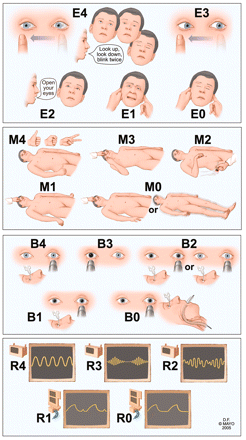
The Four Score differs from the GCS because it has 4 components-- eye, motor, brainstem and respiration (latter two are not included in GCS) .  Prospectively looked at patients from 2006-2009 (n=131) and looked at outcome after one year.  91 died.  31 had four score less than 4 at day one and of these, zero survived.  Of patients with GCS of 3, 4 (7 %) survived at one year.  The Four Score had a specificity for absent survival at one year of 100 % versus 90 % for GCS of 3. 

Description of the FOUR Score


The FOUR score has 4 components: eye responses, motor responses, brainstem reflexes, and respiration pattern. Each component has a maximal value of 4 (Figure 1). Assessing all components of this score usually takes only a few minutes.5 The eye response component of the FOUR score allows differentiation between a vegetative state (eyes open but do not track) and a locked-in syndrome (eyes open, blink, and track vertically on command). The motor assessment component of the FOUR score combines the withdrawal reflex and decorticate rigidity responses because these conditions are often difficult to distinguish clinically. The motor component includes a complex command (the patient is asked to produce a thumbs-up hand signal, a fist, and the peace sign) that determines whether patients are alert.7 Similarly, the motor component of the FOUR score can detect signs of severe cerebral dysfunction, such as myoclonic status epilepticus. Such dysfunction is often a poor prognostic sign for patients with suspected anoxic brain injury.8 The brainstem components of the FOUR score assess the pons, the mesencephalon, and the medulla oblongata in various combinations. The FOUR score also includes an assessment of Cheyne-Stokes respiration and irregular breathing; such signs can indicate bihemispheric or lower brainstem dysfunction of respiratory control. For patients who have undergone intubation, the FOUR score records the presence or absence of a respiratory drive.

FIGURE 1.


Description of Full Outline of UnResponsivenes (FOUR) score. Eye response: E4 = eyelids open or opened, tracking, or blinking to command; E3 = eyelids open but not tracking; E2 = eyelids closed but open to loud voice; E1 = eyelids closed but open to pain; E0 = eyelids remain closed with pain. Motor response: M4 = thumbs-up, fist, or peace sign; M3 = localizing to pain; M2 = flexion response to pain; M1 = extension response to pain; M0 = no response to pain or generalized myoclonus status. Brainstem reflexes: B4 = pupil and corneal reflexes present; B3 = one pupil wide and fixed; B2 = pupil or corneal reflexes absent; B1 = pupil and corneal reflexes absent; B0 = absent pupil, corneal, and cough reflex. Respiration pattern: R4 = not intubated, regular breathing pattern; R3 = not intubated, Cheyne-Stokes breathing pattern; R2 = not intubated, irregular breathing; R1 = breathes above ventilatory rate; R0 = breathes at ventilator rate or apnea.

Sunday, March 21, 2010

The Broken Heart Syndrome

llan Wittstein has published and given lectures and states there are clinical criteria, diagnostic criteria and treatment and prognosis information that can be readily identified. Synonyms include neurogenic stunned myocardium, acute coronary syndrome, stress myocarditis, and Takotsubo syndrome (named after the japanese pot used to capture octopus).  The syndrome is a REVERSIBLE disorder with very abnormal EKG, U waves, ST elevations, Q waves, elevated troponins, normal coronaries on cath, and return of EF to normal within days to weeks.  The pathology includes contraction band necrosis in myocardium, and is linked to hypersympathetic state.  It is a huge problem involving 2 percent of patients undergoing cath and 5-7 % of women.  Most patients are postmenopausal Caucasian women with risk factors who present with chest pain and shortness of breath.  Many have mood disorders


Diagnostic criteria are divided into "helpful" and "required"
HELPFUL-
1.  Acute trigger-- could be emotional (anxiety, joy, grief, fear, anger) or physical (procedure, respiratory drugs) even surprise party. 
2.  Characteristic EKG-- presenting EKG has steep ST elevation without reciprocal changes, T wave inversions everywhere, QT prolongation,  that becomes milder within 2-4 days
3.  Troponin elevation is mild-- less than 5, never more than 20

REQUIRED
1.  Absent coronary thrombosis
2.  Wall motion abnormalities extend beyond a single coronary artery territory  ( 3 patterns:  apical, basal, and midventricular)
3.  Rapid recovery of systolic function within 2 weeks at most

Diagnostic tests that are helpful (but possibly hard/unlikely to obtain esp. acutely)
1.  MRI heart unlike ECHO differentiates dead and stunned tissue.  Dead cardiac tissue lights up with Gadolinium but stunned heart will not

Therapy:
1.  supportive-- possibly not in ICU- arbs, ACEi's, diuretics.  Anticoag if apex not moving to prevent clot kicking, avoid pressors (catechols are a problem)
2.  Balloon pump better than pressors
3.  HHH  good for brain, bad for heart

Prognosis
1.  recurrence 3-10 percent with 2 % mortality
2.  Death is due to etiology not to cardiac dysfunction per se.

Pathophysiology
contraction band necrosis- direct myocyte injury related to calcium overload.

air embolism and air travel

The Neurologist 2010   A  62 year old woman with cerebral artery air embolism during commercial air travel.  16: 136-137.
 
Notes
usual list of associations with air embolus-- surgery, scuba diving, induced abortion, angiography and pneumothorax, orogenital sex on a woman with cerebral air emboli (see Crit Care Med 1988).

A new one is air travel.  In this case, pulmonary bullae due to emphysema occurred as the bullae expanded as the pressure in the cabin was reduced, leading to rupture of the bullae, pneumothorax and air embolism.  Barotrauma was presumably the proximate cause.

Pearls on pediatric strokes

hat tip to Lori Jordan MD JHU


1.  Strokes in kids are as common as brain tumors, about 2-3/100,000
2.  In children ICH = bland infarcts, different than adults (Fullerton, Neurology, 2003).  ICH is often due to AVM's
3.  Among bland infarcts, 25-35 % are cardioembolic, 25 % are dissections, other unusual causes include moya moya, sickle cell disease, HIV and varicella (not in order).
4.  Subarachnoid hemorrhage in kids is usually aneurysmal
5.  Kids at risk often have an inciting event such as trauma or surgery
6.  Kids have a high risk of delay in diagnosis
7.  Sicklers have 10 % stroke, but 20 % more of silent stroke; with SCA and CVA stat consult Hematology for transfusion
8.  Many barriers to alteplase use exist, including diagnosis, , lack of evidence and mimics, and delays, but document why alteplase is not given
9.  MERCI and multi MERCI are not studied in kids
10.AHA guidelines for pediatric stroke published Stroke 2008
11.  Presentation in children is much more likely to include seizure (25 % v. 5 % in adults)
12 . Suggested eval: MRI, MRA H/N, hypercoagulability workup complete, TTE/bubble, HB electropheresis, HIV,
13 references
Roach ES, Golomb MR, Adams R, Biller J, Daniels S, Deveber G, et al.
Management of stroke in infants and children: A scientific statement from a
special writing group of the american heart association stroke council and the
council on cardiovascular disease in the young. Stroke 2008;39:2644-91.
• Amlie-Lefond, C. et al. Use of alteplase in childhood arterial ischaemic stroke: a
multicentre, observational, cohort study. 2009: Lancet Neurol. 8, 530-536.
• Jordan LC, Johnston SC, Wu YW, Sidney SS, Fullerton HJ. The importance of
cerebral aneurysms in childhood hemorrhagic stroke: a population-based study.
Stroke 2009;40:400-405.
• Beslow LA, Licht DJ, Smith SE, Storm PB, Heuer GG, Zimmerman RA, Feiler
AM, Kasner SE, Ichord RN, Jordan LC. Predictors of outcome in childhood
intracerebral hemorrhage: a prospective consecutive cohort study. Stroke 2009;

Wednesday, March 17, 2010

CAA with vasculitis and edema responsive to steroids references

inflammation related CAA as described in : Ann Neurol 2004; 55: 250-256; Brain 2005; 128: 500-515; Neurology 2007; 68 (17); 1411-1416.

Sunday, March 07, 2010

ISC Abstract highlights 2010 San Antonio (pruned and edited)

1.  Restrepo et al. (UCLA) Stroke pretreatment screening for fast Mag trial, involved a 90 second screen with a neurologist, focused, 72 % of patients so diagnosed had acute ischemic stroke, 24 % ICH, rest other

2.  Albright et al. (Penn) studied the potential for the use of air ambulances to increase availability of services and found The combination of pre-hospital regionalization & air ambulance transport of acute stroke
patients would reduce the 135.7 million Americans without 60 minute access to a PSC by
half, to 62.9 million.

3.  Kleindorfer et al. (Cincinatti) stratified t-PA eligibility by age and found contrary to hypothesis, the eligibility for rt-PA significantly increased with increasing age.
Age-Based Eligibility for and Treatment with Rt-PA
Age of Pt           #  Patients           % Eligible for rt-PA  % of Eligible Treated
18–44                   97                        4 (4.1%)              2 (50.0%)
45–54                 219                       15 (6.8%)             5 (33.3%)
55–64                 320                       21 (6.6%)            12 (57.1%)
65–74                 392                       32 (8.2%)            20 (62.5%)
75–84                 502                       47 (9.4%)             23 (48.9%)
85                       300                       29 (9.7%)             10 (34.5%)
Total                  1830                     148 (8.1%)             72 (48.6%)

4.  Riccio et al (Buenos Aires) Occult v. non -occult AF compared in TIA and AIS. Age, female gender and left atrial area (LAA) are traditional determinants of AF.  Out of 194 patients, there were 36 with known AF and 24 with occult AF.  Patients with occult AF were younger, showed a higher proportion of males, had
a smaller LAA, and had more severe strokes. Traditional determinants of AF were associated
with known AF.Diabetes was associated with occult AF.

5.   Gupta et al. (multicenter) General anesthesia during stroke resulted in worse outcomes.